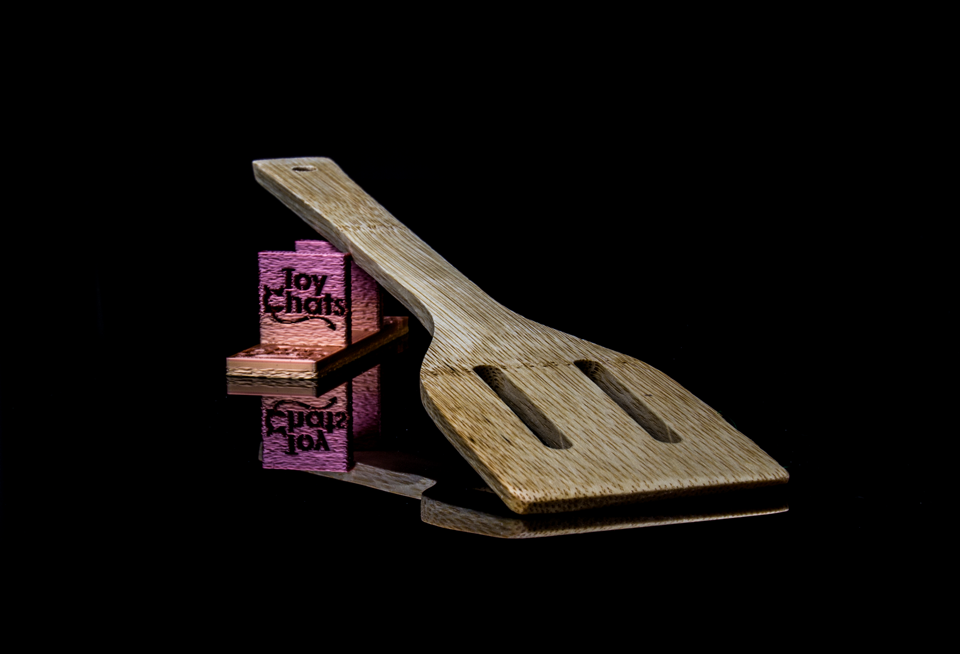
Generic Wooden Spoon Review: The Old-School Icon With a Double Life

- 0 Collect
- 3 Like
- 735 Read
- Report


Overall Rating
Overall rating is based on Design, Sensory Quality, Ease of Use, and Ease of Cleaning. Price and Noise are shown for reference only.

This toy is provided and sponsored by ToyChats
Best sex toy review platform
🧠 Reviewed by a ToyChats Community Creator
Love testing toys? 💕 You can become a reviewer too
Are you a brand? Get your toys reviewed for free →
My verdict
Pros
- Extremely discreet and common
- Lightweight but strong
- Affordable and replaceable
- Easy to store, carry, or hide
- No batteries, no mechanics, no fuss
Cons
- Needs occasional replacement
- Colors are often limited
Among all the pervertables lurking quietly in kitchens, the wooden spoon is the undisputed classic. It’s the tool grandparents used to stir soups, bakers use to fold batters, and mischievous couples have—well—always had opinions about.
There’s something timeless about it. Something sturdy. Something that practically radiates “I was built to last.” It’s no wonder the wooden spoon has a legendary status among household objects that find a second purpose outside their assigned domestic duties.
In the world of pervertables, the wooden spoon is what veterans might call “the gateway heirloom.”
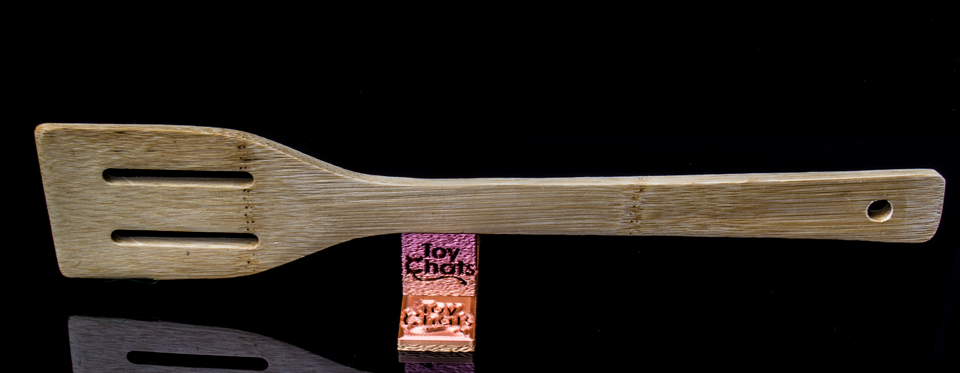
Why the Wooden Spoon Stands Out
1. Sturdy and Reliable
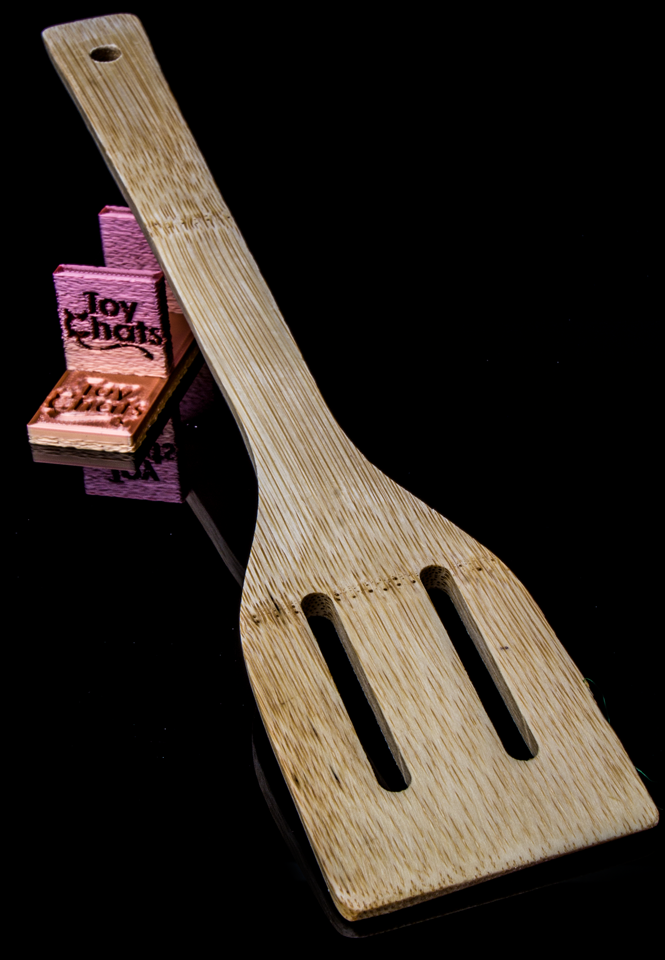
Wood has enough firmness to hold shape, enough give to avoid sharpness, and enough texture to feel interesting against the skin. It creates sensations that are distinct, recognizable, and—depending on how you use it—either soft or authoritative.
There’s a reason the wooden spoon has history.
2. Texture With Personality
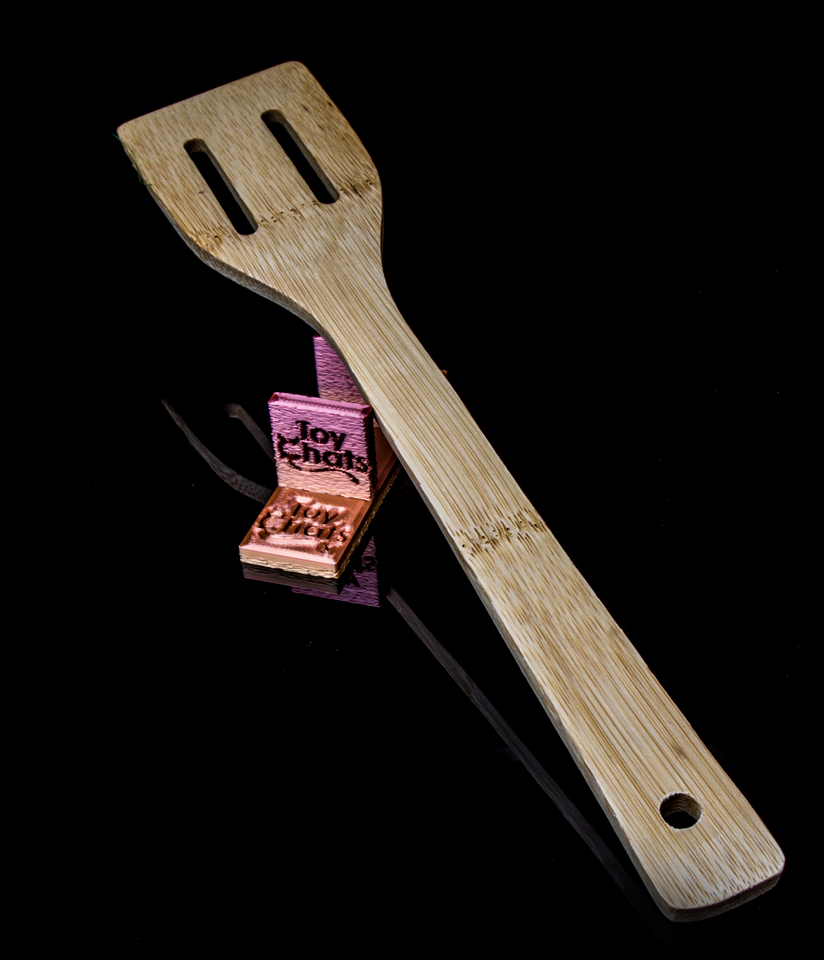
Unlike silicone, wood has grain. It’s a natural surface full of subtle ridges, warmth, and character. That makes every touch unique, almost like the object is participating in the scene itself.
The spoon becomes a co-conspirator.
3. Weight and Momentum
Wooden spoons tend to have just enough weight in the handle to give motion a satisfying arc. Even in PG-13 contexts, you can feel the presence of the spoon when it moves.
It’s an object that announces itself—without making noise.
4. Vintage Vibes
There’s something aesthetically pleasing about wood. It feels traditional, warm, even rustic. Many find that comforting. Others find it deliciously symbolic.
And for many? Both.
5. Totally Innocent to Outsiders
A wooden spoon can sit on a counter, in a dish rack, or in a bag, and no one bats an eye. You never have to explain a thing.
Dom View
From a dominant perspective, the wooden spoon carries a sense of authority softened by warmth. Wood isn’t harsh—it’s deliberate. Its weight allows slow, controlled motions that feel purposeful. You can trail the back of the spoon along an arm, tap gently, trace edges, or simply let your partner anticipate what’s coming next.
The spoon offers precision. It demands presence.
It feels like holding tradition in your hand—something practiced and familiar.
And because of its symbolic reputation, a wooden spoon lets a Dom play with tone: playful, teasing, corrective, ceremonial, or affectionate.
Few pervertables communicate so much before they ever make contact.
Sub View
For a submissive, the wooden spoon brings a blend of nostalgia, suspense, and curiosity. The mere sound of a spoon being picked up can spark emotion—not fear, but anticipation.
Its smooth back feels warm and comforting.
Its edges feel intriguing.
Its weight feels intentional.
Even light contact carries meaning, because the spoon is iconic. Many subs describe the wooden spoon as a “storytelling tool”—something that feels more emotional than physical. It taps into the thrill of being attended to with an object that has history, character, and presence.
Safety & Communication Notes (Important)
1. Inspect the Surface
Wood can crack or splinter if old or low-quality.
Before using it for any close-contact sensory play, check for:
rough patches
chips
splits
unfinished areas
A smooth, conditioned spoon is ideal.
2. Avoid Excess Temperature Changes
Wood can warp or crack if rapidly heated or cooled.
Gentle warming is fine; dramatic heat or ice is not.
3. Keep It Clean and Dry
Wood is porous.
Use mild soap and let it dry completely to prevent bacteria or odor retention.
4. Have a Backup “Actual Cooking Spoon”
If you don’t want to think about certain memories every time you stir pasta, best to keep two in the house—one culinary, one creative.
Fun Facts
Wooden spoons date back at least 3,000 years, and early civilizations valued them so highly they were sometimes buried with them.
In kitchens, the wooden spoon is considered an extension of the cook’s arm—an idea that translates surprisingly well into certain imaginative uses.
Many chefs jokingly call their wooden spoon their “discipline tool” for unruly sauces.” Interpret that metaphor however you like.
Wooden spoons made from beech or maple tend to last the longest—useful information if your spoon is… multitasking.