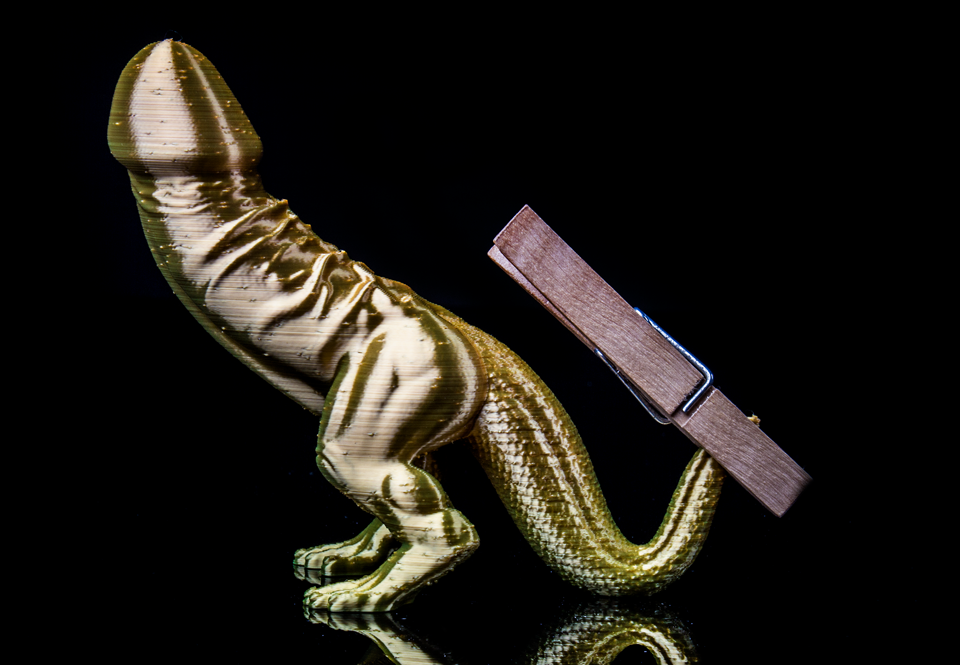
Natural Wood Clothespins Review – The Unexpected Household Classic With Endless Creative Potential

- 0 Collect
- 4 Like
- 779 Read
- Report


Overall Rating
Overall rating is based on Design, Sensory Quality, Ease of Use, and Ease of Cleaning. Price and Noise are shown for reference only.

This toy is provided and sponsored by ToyChats
Best sex toy review platform
🧠 Reviewed by a ToyChats Community Creator
Love testing toys? 💕 You can become a reviewer too
Are you a brand? Get your toys reviewed for free →
My verdict
Pros
- Extremely discreet and common
- Lightweight but strong
- Soft, comfortable textures
- Affordable and replaceable
- Perfect for beginners or simple restraint
- Easy to store, carry, or hide
- No batteries, no mechanics, no fuss
- Wide range of lengths available
- Great for decorative wraps, gentle ties, and creative positioning
- Excellent training tool for practicing knots and loops
Cons
- Not intended for complex suspension
- Can hold moisture if not fully dry
- Some cheaper versions may feel scratchy
- Needs occasional replacement
- Hard plastic tips can be uncomfortable if not padded
- Colors are often limited unless dyed
Some pervertables hide in plain sight.
Others practically wink at you from the moment you notice them.
The humble Wood Clothespins are both.
It’s designed to hold wet laundry across backyards and basements. Sturdy. Simple. Reliable.
But for the creative mind, it’s also a surprisingly elegant, durable, and versatile tool for light restraint, sensory experimentation, and structured play—all while remaining completely innocent to anyone who passes by.
Whether neatly coiled on a hook or tossed in a drawer beside clothespins and detergent, the clothesline rope looks like the most ordinary object in the world… until it isn’t.
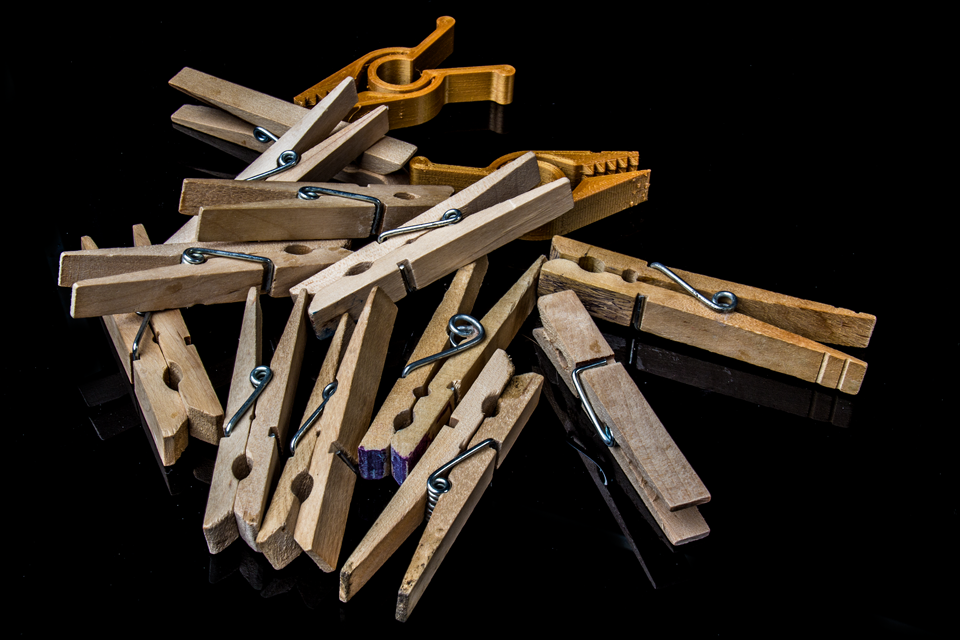
Why Clothespins Shines
1. Sturdy but Lightweight
Clothespin is engineered to hold weight. Its entire purpose is to keep heavy, water-soaked fabric suspended for hours. That means it has excellent structural integrity without being bulky.
This makes it perfect for:
light restraint
positioning assistance
playful sensory exploration
creative improvisation
crafting simple harness designs
Its strength-to-weight ratio is its secret power.
2. Accessible and Incredibly Discreet
You can buy clothespins at any hardware store, dollar store, or supermarket. You can keep it anywhere. You can coil it in your car trunk, garage, or bedroom closet—nobody will ever question it.
It’s the ultimate stealth item.
3. Texture Variety
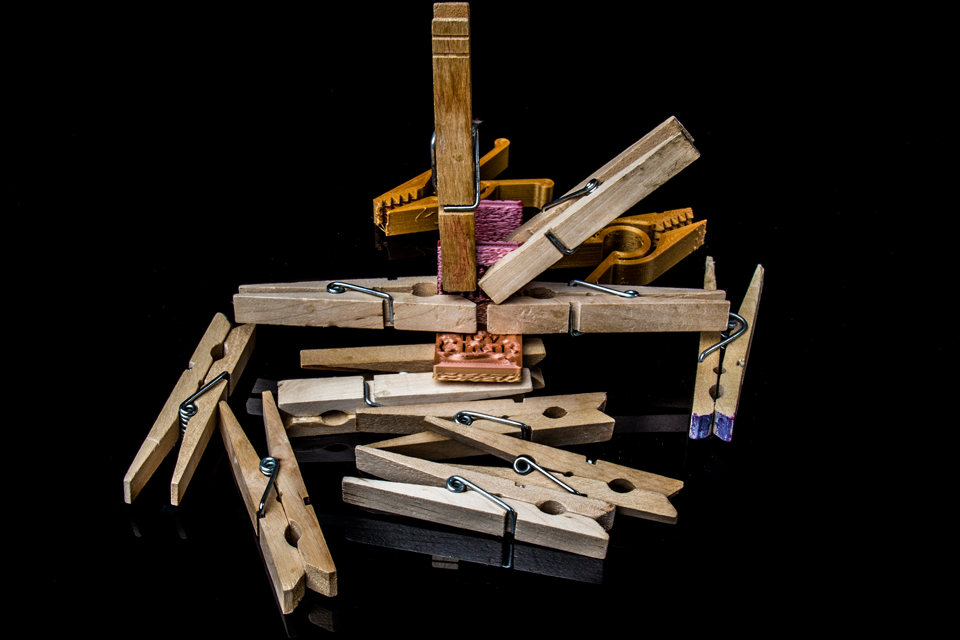
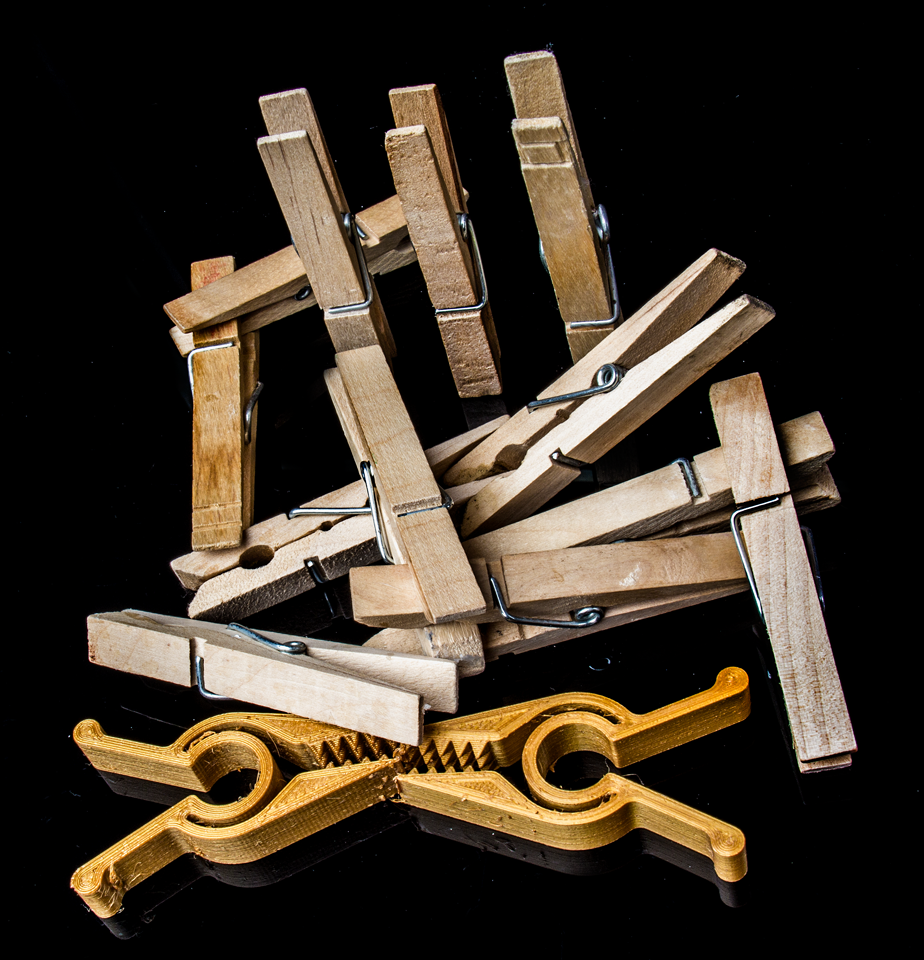
Clothespins come in several textures, each offering its own personality:
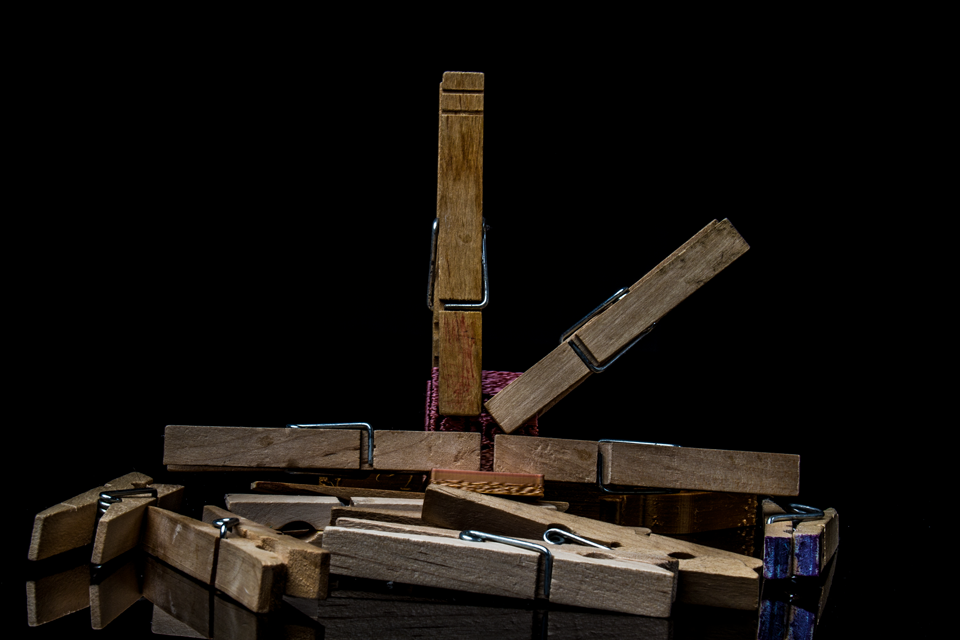
Wood — soft, warm, flexible
Plastic — smooth, slightly cool, minimal friction
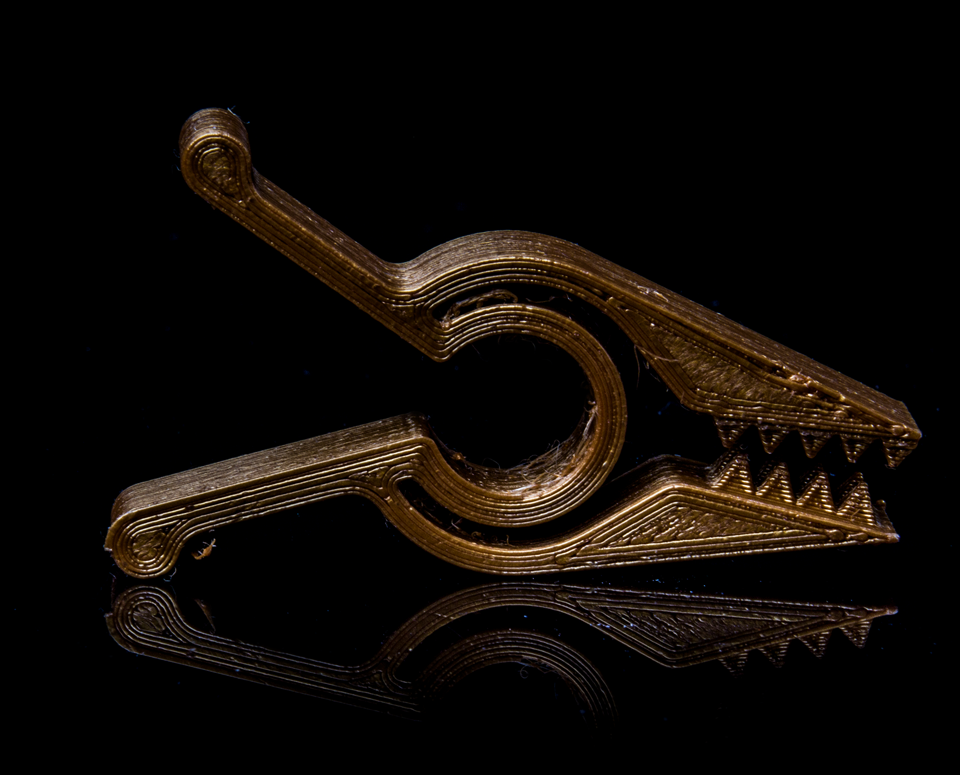
3D Printed — firmer and structured
Each material interacts with skin differently, allowing a wide range of sensations.
4. Perfect for Beginners
Clothespins are unintimidating. It’s familiar. It doesn’t trigger anxiety. It’s an ideal first step into learning simple techniques.
It’s approachable in a way that formal gear sometimes isn’t.
Dom View
From a Dom’s perspective, clothespins feel like pure potential. It’s lightweight and precise, responding beautifully to tension and direction. Even simple ties feel purposeful.
It allows for:
gentle control
firm guidance
decorative restraint
subtle pressure points
playful positioning
There’s something satisfying about working with a tool that behaves predictably—even though it was never designed for anything beyond carting laundry.
Because it’s so ordinary, it also carries a subtle thrill of creativity. You get to transform something mundane into something meaningful simply through intention. That makes even small acts feel unexpectedly intimate.
Sub View
For a submissive, the clothespins offer a warm, approachable form of restraint. It’s not intimidating like metal or leather. It feels safe first, sensual second.
Many describe:
a pleasant snugness, not harsh tightening
the comfort of natural fibers
the soothing friction against the skin
the grounding feeling of structured positioning
the psychological shift that comes from gentle restraint
Clothespins often evoke a sense of trust and closeness, especially when used with slow movement and communication.
Because it looks so ordinary, it also creates a unique mental effect—“something everyday just became something special.”
Safety & Communication Notes
Even with something as simple as a clothespin, good safety matters.
1. Choose the Right Material
Wood is the safest.
Plastic can tighten quickly.
2. Check for Abrasion Points
Inspect for:
fraying
points that pinch
hard plastic ends
discoloration
stiff areas
Smooth equals comfortable clothespin.
3. Avoid Tight Press
Circulation matters.
You want secure points—not constriction.
If using with a rope. Keep the “two-finger rule”: you should be able to slide two fingers comfortably between rope and skin.
4. Be Mindful of Nerves
Avoid tying tightly near:
inner arms
wrists
ankles
behind the knees
Simple, comfortable patterns are best.
Fun Facts
Clothespins and clothesline rope have been used since Ancient Egyptian times, when woven flax cords were strung across courtyards.
Sailors in the 1600s used clothespins and clothesline rope for drying garments and practicing knot-tying skills.
In mid-century households, clothespins and clothesline rope were considered such a staple that families bought it in bulk—sometimes hundreds of feet and pieces at a time.
Many modern “display ropes” in craft stores are simply rebranded clothespins and clothesline rope.