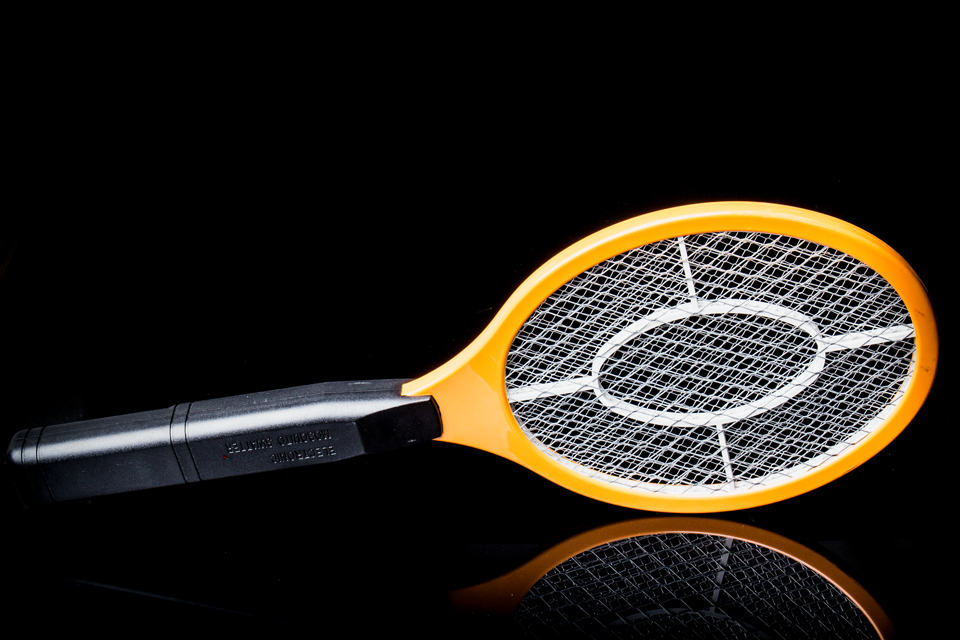
Pervertable Profile: The Generic Bug Zapper Electric Fly Swatter Review

- 2 Collect
- 6 Like
- 2177 Read
- Report


Overall Rating
Overall rating is based on Design, Sensory Quality, Ease of Use, and Ease of Cleaning. Price and Noise are shown for reference only.

This toy is provided and sponsored by ToyChats
Best sex toy review platform
🧠 Reviewed by a ToyChats Community Creator
Love testing toys? 💕 You can become a reviewer too
Are you a brand? Get your toys reviewed for free →
My verdict
Pros
- Highly accessible
- Inexpensive
- Lightweight and easy to handle
- Customizable intensity (distance, duration, pressure)
- Great for psychological play
- Works well in both soft and intense scenes
- The sound alone adds atmosphere
- Easy to clean
Cons
- Cannot be used near certain body areas
- Electrical sensation is not liked by everyone
- Some cheaper models have inconsistent power
- Sparks can damage delicate clothing
- Not suitable for individuals with heart issues, pacemakers, or nerve disorders
- Requires constant awareness of safety zones
- The grid can pinch if pressed too firmly
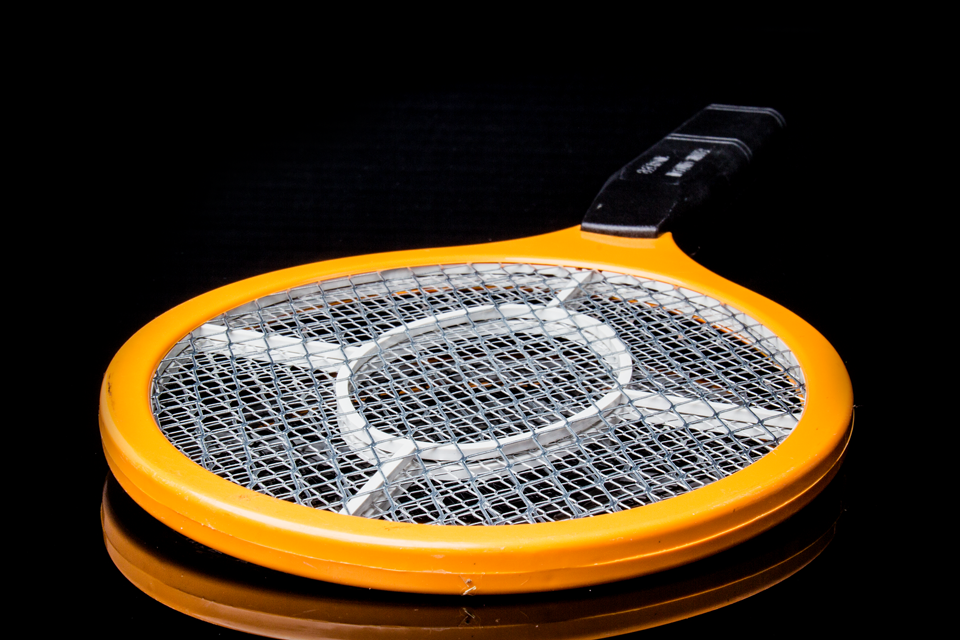
A handheld electric fly swatter — the kind designed to zap insects on contact — is one of the most notorious pervertables quietly circulating through adult kink communities. It’s inexpensive, easy to find, delivers controlled electrical stimuli, and produces a range of sensations from sharp tingles to crisp snaps depending on proximity and charge strength.
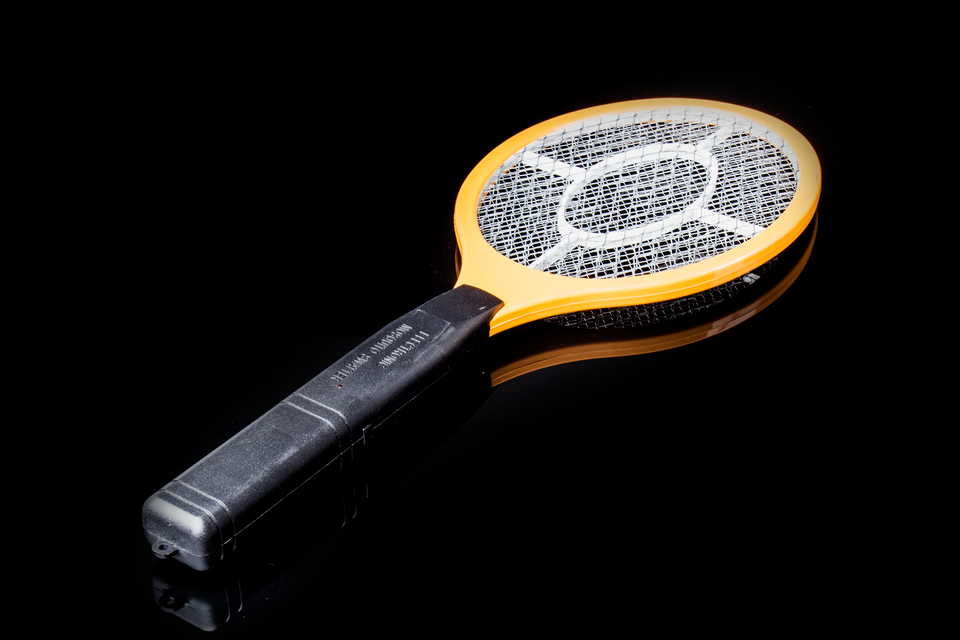
Why the Electric Fly Swatter Works as a Sensation Tool?
1. Controlled, Timed Contact
The electrical charge activates only when:
the grid is touched
or pressure is applied
This gives very precise control over when sensation happens.
2. Mild to Moderate Intensity
Most consumer swatters use low-power circuits designed to kill insects, not harm larger bodies.
This often results in:
a brief bite
a tingling sting
or a focused snap
Intensity depends on brand, battery charge, and skin sensitivity.
3. Visual and Audio Feedback
The crackle, tiny spark, or faint flash gives:
anticipation
a “ritual” feel
psychological charge
Even without touching skin, the sound alone builds tension and atmosphere.
4. Wide Availability
Hardware stores, supermarkets, gas stations — it’s everywhere.
5. Easy Single-Handed Operation
The handle and trigger setup makes it simple to use while maintaining total control.
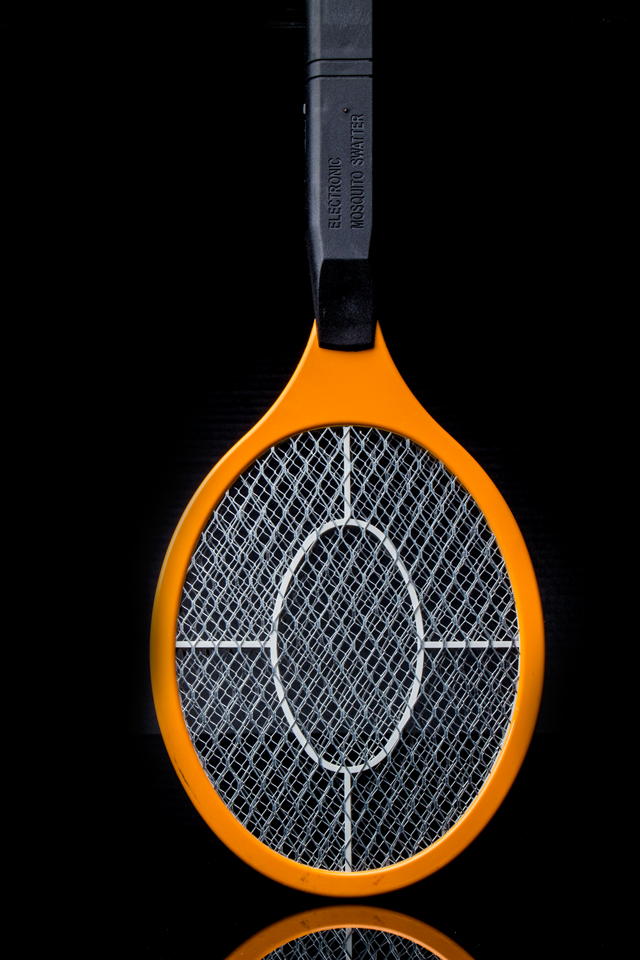
Ways to Use an Electric Fly Swatter in Sensation Play
All of the following use cases focus on sensation, anticipation, and controlled, consensual exploration, without any explicit activity.
1. Direct Contact Zaps
A quick tap of the active grid against safe areas of the body delivers:
a sharp spark
fast muscle twitch
warm tingling aftermath
Safe zones include:
outer limbs
hips
thighs
shoulders
upper arms
buttocks (kept non-explicit by describing them as “fleshy areas”)
Avoid:
face
spine
heart area
neck
joints
sensitive zones
any area with metal piercings
2. “Hover Play”
Holding the active grid a few millimeters above the skin creates:
tiny arcs
tickling static
hair-raising sensations
psychological tension
This is often described as one of the most deliciously nerve-awakening uses because there’s no actual strike — only electricity bridging the final gap.
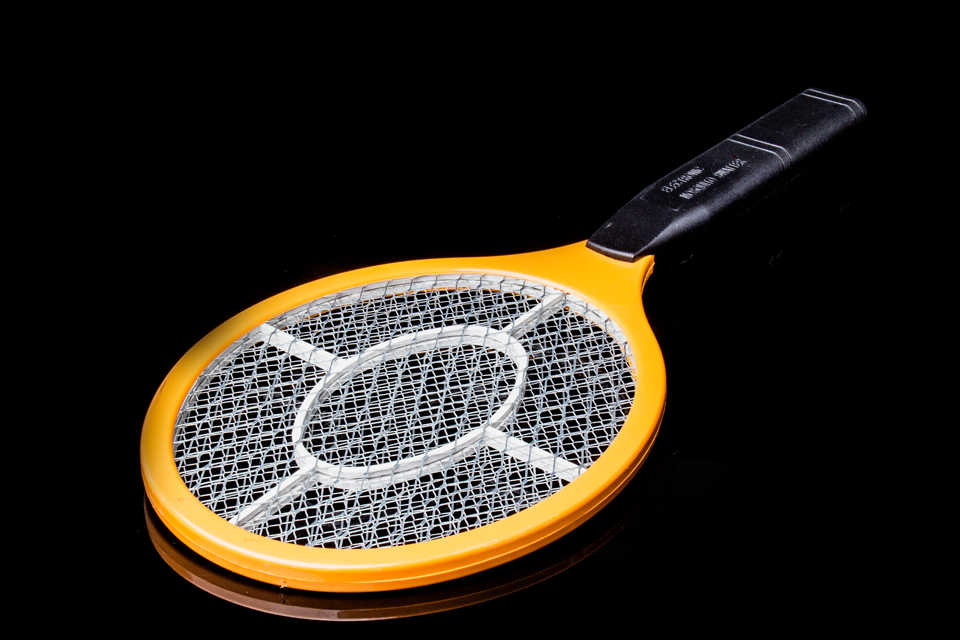
3. Layered Sensory Play
Using fabric between the grid and skin creates softer, muted effects:
cotton gives a tiny buzz
denim gives a dull, warm thump
leather usually blocks it entirely
This is excellent for experimenting with sensation levels.
4. Edge Play (Not Intensity, But Anticipation)
The sound alone — the crackle when the button is pressed — often has more psychological power than the zap itself.
You can:
activate it inches from the skin
move it slowly over limbs
let the sound be the “threat” rather than the tool
This builds tension without actual impact.
5. Precision Targeting
The grid allows tapping with:
the corner
the center
or the outer rim
Each produces a slightly different type of sensation.
6. Ritualistic Use
Whether it’s part of a “tools laid out on the table” ritual or introduced after a blindfold, the swatter shines as a mood-setting implement.
Its sound and shape create anticipation even before the first touch.
Safety Guidelines (Extremely Important)
1. Never use near the heart
Electrical current can interfere with natural rhythm, even at low power.
2. Avoid the head, neck, and spine
These areas are more delicate and riskier for conductive sensation.
3. No use on wet skin
Water amplifies conductivity unpredictably.
4. Do not use on or near metal jewelry
Zaps can arc to metal, over-intensifying sensation.
5. Avoid long continuous activation
These devices are not meant for extended charge cycles; overheating is possible.
6. Test it on yourself first
Always understand the intensity before applying it to anyone else.
7. Use fresh, high-quality batteries
Cheap batteries can misfire or create inconsistent currents.
8. Communication is mandatory
Discuss beforehand:
intensity level
preferred zones
no-go zones
safe words
signals for “lighter” or “stop”
Aftercare should include checking for:
small red spots
overstimulation
unexpected emotional responses